
How to Build a Jewelry Collection You Actually Wear

Last Updated: November 15, 2026
Quick Summary
To build a jewelry collection you actually wear, start by auditing what you already reach for, then buy in a deliberate order: choose one anchor metal, add your everyday base of one chain, one pair of studs and one ring, and pause to wear everything for two weeks before your next purchase. A jewelry collection is a curated set of pieces you rotate regularly, chosen for wearability and versatility.
Track your habits for one week and note which three to five pieces you wear on repeat.
Choose one anchor metal, gold, silver, or mixed, to keep the collection cohesive.
Buy the everyday base first: one chain, one pair of studs, one ring.
Statement pieces come last because they have the lowest cost-per-wear.
Put jewelry on last and take it off first to protect plated pieces and pearls.
Ready to build a collection you'll actually wear?
Curated collections and personalized styling to help you express your unique sparkle.
Table of Contents
How to Build a Jewelry Collection for Beginners
Learning how to build a jewelry collection starts with one honest inventory: the pieces you reach for without thinking. A jewelry collection is a curated set of pieces you rotate regularly, chosen for wearability, versatility, and how they fit your daily life. The fix is simple: build around what you actually wear, then add deliberately. Below, we'll show you exactly how to go from scattered purchases to a cohesive collection you use every week.

Start With What You Already Wear
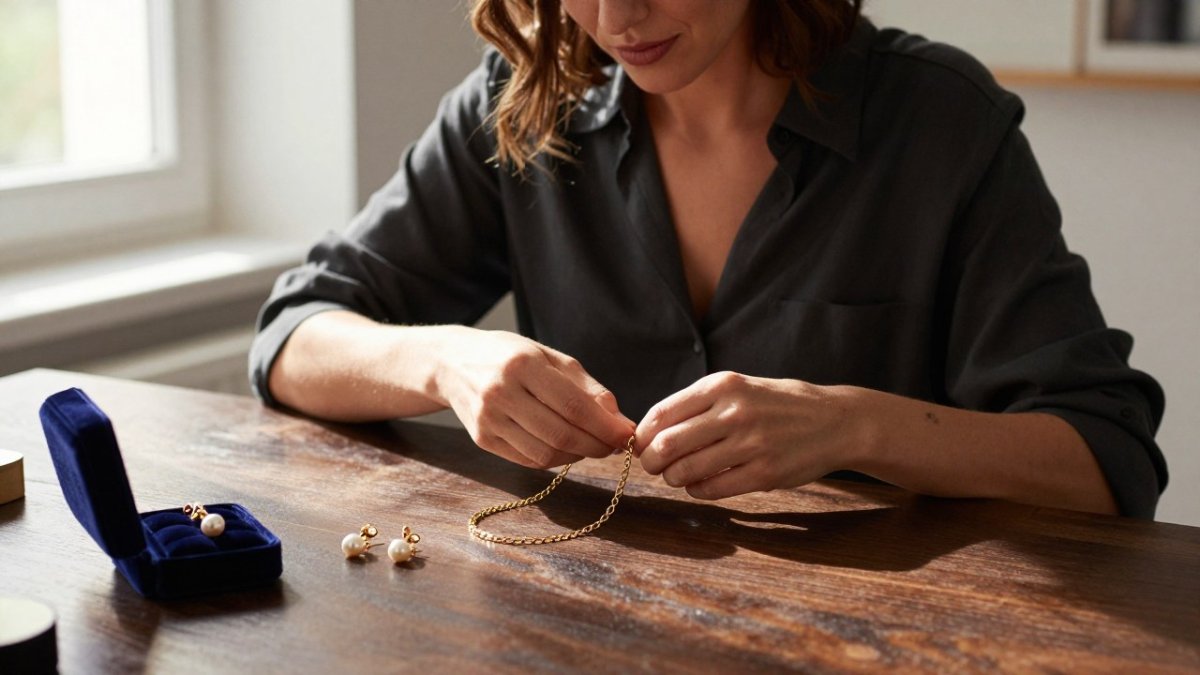
Before buying anything new, spend one week tracking your habits. Pull out every piece you own and note what you actually put on. Most people find they wear the same three to five items on repeat while the rest sits untouched. That pattern tells you your real preferences: metal tone, scale, and comfort threshold. A common mistake is buying for the fantasy version of yourself rather than the person who gets dressed at 7 a.m. on a Tuesday. Start with what you wear, and you'll stop repeating the same buying mistakes.
The Step-by-Step Buying Roadmap
A jewelry collection grows best in a deliberate order, not all at once. Here is the sequence we recommend:
Audit your current pieces and identify gaps in your rotation.
Choose one anchor metal (gold, silver, or mixed) to keep things cohesive.
Buy your everyday base first: one chain, one pair of studs, one ring.
Add a versatile layer that works for both day and evening.
Introduce one statement piece once your basics are covered.
Pause and wear everything for two weeks before your next purchase.
If you're starting from zero, our guide to affordable jewelry for daily wear pieces that last is a practical next step before you spend.
Here is the buying order the article recommends for growing a collection deliberately.
Step | What to do |
1 | Audit current pieces and identify gaps in your rotation |
2 | Choose one anchor metal: gold, silver, or mixed |
3 | Buy everyday base: one chain, one pair of studs, one ring |
4 | Add a versatile layer for day and evening |
5 | Introduce one statement piece once basics are covered |
6 | Pause and wear everything for two weeks before next purchase |
Must-Have Classic Jewelry Pieces
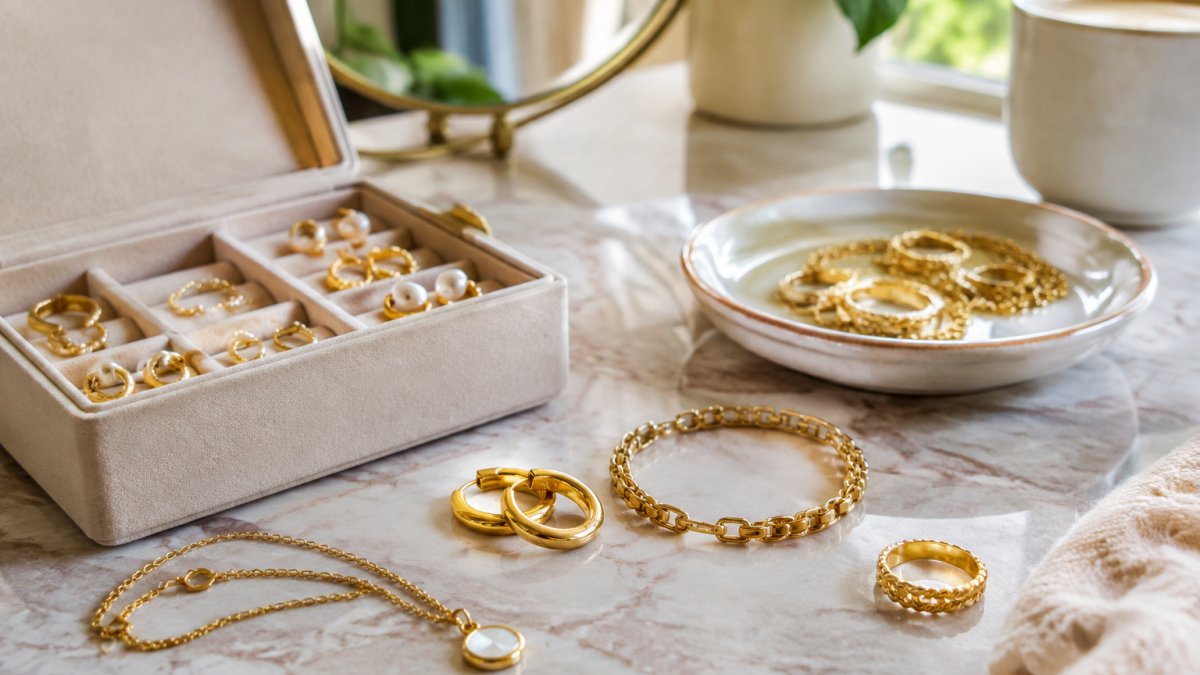
The must-have classic jewelry pieces are a short list: a fine chain necklace, a pair of stud earrings, a simple band ring, and one versatile bracelet. These four form the foundation of any jewelry wardrobe because they mix and match with everything else. Gold and gold-tone pieces and silver are both versatile options, and the right metal depends on personal preference. Build your basics first, then layer in personality. For help styling chains together, see our guide on layered necklaces for beginners.
How to Curate a Jewelry Collection That Fits Your Style
Curating a jewelry collection means editing, not accumulating. Look at your wardrobe's dominant colors, necklines, and the outfits you feel best in, then choose pieces that repeat those design elements. A cohesive collection shares a metal tone, a consistent scale, and a recognizable style thread. Personal style beats trend-chasing every time: a piece you love and wear weekly outperforms a trendier item you touch twice a year. What most guides miss is that cohesion comes from subtraction as much as addition. Remove what you never wear, and the pieces that remain will finally look like they belong together.
How to Start Wearing Jewelry Without Feeling Overdressed
Starting to wear jewelry without feeling overdressed comes down to scale and restraint. Begin with one small piece per outfit, such as a single delicate chain or a pair of small studs, and add a second only once the first feels natural. Minimal, understated looks work for anyone who prefers basics; you do not need statement jewelry to build a collection. Match your jewelry to your neckline and keep the metal tone consistent with your outfit's palette. In practice, this means a fine chain with a crew neck and a slightly longer pendant with a V-neck. Our guide on how to choose jewelry for everyday outfits that works walks through this in more detail.
Budgeting, Cost-Per-Wear, and Prioritizing Your Purchases
Budgeting is where most collections quietly fall apart, and it is the area most guides skip. The fix is to treat jewelry like any other recurring expense: set a monthly ceiling you can sustain, then let cost-per-wear decide what earns a spot in that budget. Cost-per-wear is simple math: divide the price by the number of times you expect to wear the piece. Consider a simple example: a piece worn often can cost less per wear than a cheaper piece worn rarely.
Run that calculation before you buy, not after. A practical worksheet looks like this:
Estimate wears per month. Be honest. If you dress casually four days a week and formally once, a delicate everyday chain will out-earn a cocktail ring.
Multiply by the months you expect to keep it. A classic band you will wear for five years has a very different denominator than a seasonal piece.
Divide the price by total expected wears. Compare that number across candidates, not the sticker price.
Set a monthly ceiling. A sustainable ceiling is the amount you can spend without touching savings or carrying a balance. Pick that number and hold to it.
Prioritization follows the same logic. Buy in this order: the everyday base first (one chain, one pair of studs, one band), then a versatile day-to-night layer, then a statement piece. Statement pieces have the lowest cost-per-wear because they are worn least, so they should come last, after the pieces that earn their keep. If you are rebuilding from zero, our guide to affordable jewelry for daily wear pieces that last pairs well with this budget framework.
Watch out: a common mistake is saving for one big splurge while wearing the same two pieces every day. Spreading the same total across three versatile basics usually produces a lower blended cost-per-wear than one statement purchase. Pricing depends on materials, design, and quantity, so check current listings on the SHINY INDIVIDUAL JEWELRY & ACCESSORIES website for exact figures before you commit, and revisit your ceiling every few months as your rotation changes.
Materials, Durability, and Care for Fashion Jewelry
Fashion jewelry lasts when you understand what it is made of, and most buying mistakes trace back to materials rather than style. The first distinction is metal. Solid gold is measured in karats: 24k is pure gold and too soft for daily wear, while 14k and 18k alloys are the common balance of durability and color.
Gemstones follow a similar durability logic.
Care matters more than most people expect, and the routine is short:
Put jewelry on last. Perfume, lotion, and hairspray are the main enemies of plated pieces and pearls. Let products dry before you put anything on.
Take it off first. Remove rings and chains before showering, swimming, cleaning, or exercising. Chlorine and sweat speed up tarnishing.
Wipe after wear. A soft dry cloth removes oils and residue before they set.
Store separately. Keep pieces in individual pouches or divided compartments so chains do not tangle and stones do not scratch each other. A dry, low-humidity spot beats a steamy bathroom.
Clean gently. Warm water with a drop of mild soap and a soft brush works for most metals and hard stones; skip ultrasonic cleaners for pearls, opals, and glued settings.
A simple care routine, such as wiping pieces after wear and storing them in a dry pouch, can help jewelry last longer.
Sizing, Fit, and All-Day Comfort
Sizing and fit decide whether a piece becomes a staple or stays in the drawer. Ring sizing should account for finger swelling throughout the day. Necklace length changes the entire look: shorter chains sit at the collarbone, longer ones elongate the torso. Earring weight matters for all-day comfort, so choose lighter studs for daily wear and save heavier drops for occasions. If a piece pinches, tugs, or catches on clothing, it won't get worn no matter how much you like it. Comfort is not a compromise; it's the whole point of a wearable collection.
Building a Cohesive Jewelry Wardrobe Over Time
A cohesive jewelry wardrobe is built over time, not in a single shopping trip. Return to your rotation every few months and ask what you actually wore. Add pieces that fill genuine gaps, and let your collection evolve alongside your style. A jewelry rotation keeps things fresh without constant spending: cycle pieces in and out seasonally. The goal is a wardrobe foundation where every piece earns its place and works with the others. That's collection cohesion, and it's what separates a curated set from a drawer full of random buys.
Book a Personalized Styling Session to Start Your Collection
Personalized styling can help you stop guessing and focus on pieces you'll genuinely wear. You can learn more about our personalized styling session and book online when you're ready. At SHINY INDIVIDUAL JEWELRY & ACCESSORIES, our curated collections and styling services exist to help you express your unique sparkle, elevate your everyday style, and feel seen and unforgettable. Get started with SHINY INDIVIDUAL JEWELRY & ACCESSORIES and build a jewelry collection that finally works as hard as you do.
Building a collection you love shouldn't feel like a gamble. The difference between a drawer of unworn pieces and a rotation you reach for daily comes down to curation, fit, and honest self-knowledge. SHINY INDIVIDUAL JEWELRY & ACCESSORIES offers curated collections, personalized styling services, and affordable fashion jewelry built around individual self-expression. Let us help you choose pieces that fit your life, not just a trend.
Frequently Asked Questions
What is the 2:1:1 rule for jewelry?
The 2:1:1 rule is a styling shortcut for balancing metals and finishes: two pieces in one dominant tone, one in a contrasting tone, and one statement accent. Applied to a jewelry collection, it keeps your rotation cohesive without matching every piece. Use it when layering necklaces or mixing gold and silver so the result looks deliberate rather than accidental.
How many items should be in a jewelry collection?
There is no fixed number. A workable starter jewelry collection often covers a few everyday rings or bands, one or two versatile necklaces and chains, a pair of stud earrings, and one statement piece for occasions. Add pieces as you notice gaps in your rotation, and retire anything you have not worn in a year. Collection size should follow your lifestyle, not a target count.
How can I build a jewelry collection on a budget?
Buy for cost-per-wear rather than sticker price. Track which pieces you reach for daily, then put your budget into those categories first: everyday rings, a versatile necklace, and stud earrings. Affordable fashion jewelry lets you test a silhouette before committing more money to it. Prioritize one purchase at a time and skip trend pieces you cannot picture wearing weekly.
What jewelry basics should beginners start with?
Start with foundational pieces: a simple chain necklace, small stud earrings, a plain band or stacking ring, and one bracelet you can wear with most outfits. Choose solid gold or well-finished gold-tone metals if your skin reacts to cheaper plating, and confirm sizing before you buy. These basics mix and match with almost everything, so they earn their place in your jewelry wardrobe quickly.
How do I choose jewelry that works for both everyday wear and special occasions?
Look for versatile pieces with clean design elements: a mid-length chain, a pair of diamond or lab-grown diamond studs, and a ring that stacks well. These transition from office outfits to evening looks with a change of styling rather than a change of jewelry. Keep one true statement piece separate for events so your everyday rotation stays comfortable and durable.



Comments